Showing posts with label R L Stevenson. Show all posts

Thursday, 30 September 2010

ALPHABOOKS

I just recover from answering one meme (the one asking me to list my frequently watched movies) when, knock me down with a feather, along comes another one: this time courtesy of my friend SCB at Where there are Meadowlarks...

Here are THE RULES (for there must always be RULES) as laid down by SCB:

1. Go through the alphabet, and for each letter, think of a book you've read that starts with that letter (A, An, and The do not count).

2. You must write down the FIRST book you think of for any given letter. This may make for some odd choices, but them's the breaks.

3. You must have actually READ the book. (I thought of lots that started with some letters, but I hadn't read them.)

4. If you think of a more impressive-sounding book for a particular letter, but you've already written your first thought down, you CANNOT change to the more impressive-sounding book. As an example, you have to leave "Fifty Famous Fairy Tales" (the Whitman Publishing pink and white one) on the list, even if you come up with fifty more impressive books afterwards.

5. If you can think of a book for X, you win... my lasting admiration (I can't afford real prizes!)

6. You can then tag as many people as you like. The more the merrier.

So, here's the list I drew up...

Alice's Adventures in Wonderland – Lewis Carroll

Brave New World – Aldous Huxley

A Christmas Carol – Charles Dickens

Doctor Dolittle – Hugh Lofting

The Exploits of Moominpappa – Tove Jansson

Fahrenheit 451 – Ray Bradbury

Gormenghast – Mervyn Peake

The Hobbit – J R R Tolkien

It's Too Late Now – A A Milne
(The autobiography of Pooh's creator)

Just So Stories – Rudyard Kipling

A Kid for Two Farthings – Wolf Mankowitz

The Lord of the Rings – J R R Tolkien

Mary Poppins – P L Travers

Noddy in Toyland – Enid Blyton
(Nostromo by Joseph Conrad would have sounded better, but there it is!)

The Once and Future King – T H White

Peter and Wendy – J M Barrie

Quentin Durwood – Sir Walter Scott

Ring of Bright Water – Gavin Maxwell

Something Wicked This Way Comes – Ray Bradbury

Treasure Island – Robert Louis Stevenson

Utopia - Thomas More

The Voyage of the 'Dawn Treader' – C S Lewis

The Wind in the Willows – Kenneth Graham

EXterminator! – William S Burroughs (Oh, well, it was worth a try!)

Yertle the Turtle and Other Stories – Dr Seuss

Zen in the Art of Writing – Ray Bradbury


I suppose it's not too surprising that there are two titles by Tolkien and three by Bradbury – plus, of course, Carroll, Milne and Peake – but the preponderance of children's books suggests that I have already entered my second childhood which is, I guess, pretty accurate!

I hesitate to tag anyone, but (if they'd like to do it and have the time) then I'll tag Gill, Sheila, Sharon, Suzanne and anyone else who fancies having a go...

Wednesday, 18 October 2006

HYDE AND SEEK

Amongst the paraphernalia of Halloween currently proliferating in our shops - in addition to witches’ hats, devils’ pitchforks, vampire fangs and warty hag noses - are a whole range of masks that take their inspiration from the horror folk of literature: Count Dracula, Frankenstein’s Creature, the Hunchback of Notre Dame and Dr Jekyll and Mr Hyde: all of whom represent far more than the mere fear engendered by the genuinely terrifying and ruthlessly violent aspects of their various sagas.

Each of these characters is a symbol of some facet of the fears and phobias that assail the human imagination such as death and deformity and - in the case of those experimental doctors, Frankenstein and Jekyll - the potential threat of technology and science…

The warring psyches of Jekyll and Hyde as described by Robert Louis Stevenson, have never lost their fascination in the 120 years since the story was first published.

It has been the subject of many films and television versions and a number of illustrators have attempted to capture the terror of Henry Jekyll’s struggles to control his murderous alter ego. An artist who succeeded with dramatic brilliance was Mervyn Peake, the subject of my recent blog, Peake District, and a fascinating new book Mervyn Peake: The Man and His Art.

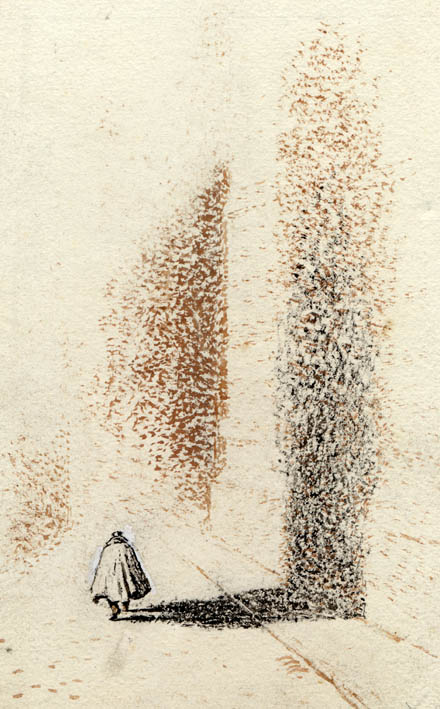
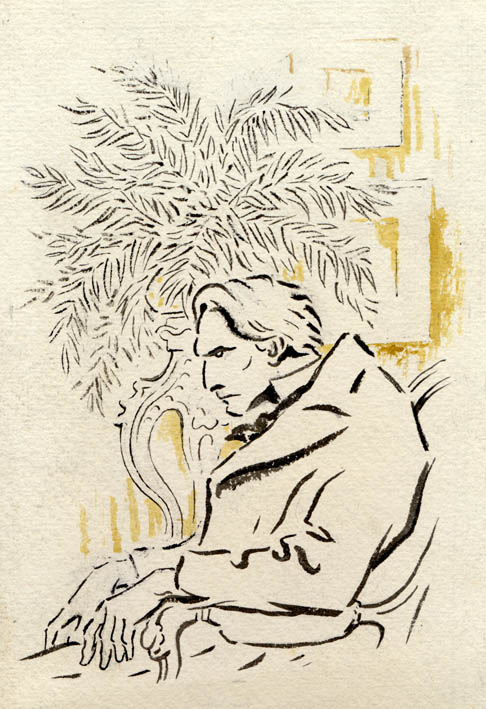
Peake illustrated Dr Jekyll and Mr Hyde for the Folio Society in 1948 with a suite of drawings that demonstrate that the artist clearly understood the need to resist the temptation to merely draw the monster that was the flip-side of the man.

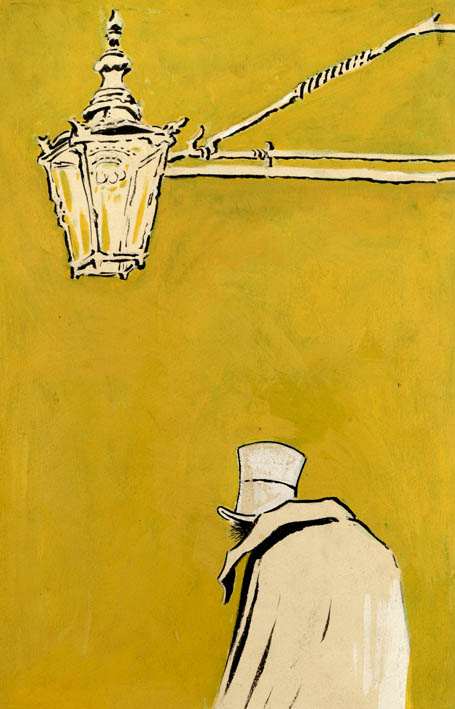
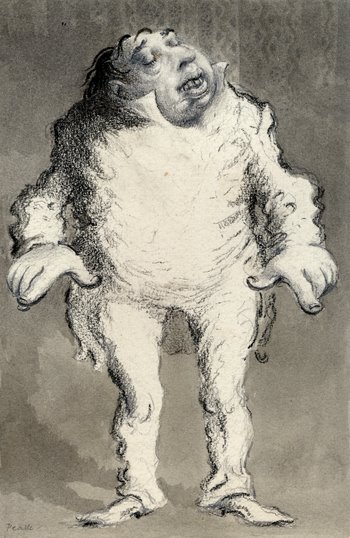
So, whilst he depicted the haunted Dr Henry Jekyll (above right) when it came to Mr Hyde, Peake chose only to hint at the horror, depicting him as scuttling off down alleyways (top left) dwarfed by the city he terrorizes yet, at the same time, casting a towering shadow; or - as shown in the book’s frontispiece - pausing beneath the guttering gas-lamp, the only indication of disease being the hunched shoulders and the unkempt demeanour.


Peake’s economy of design and simplicity of line - almost Japanese in style - and his use of a disturbingly sickly-yellow wash is inspired as can be seen in the illustration of Hyde before the mirror (itself almost animal in form) considering his shrunken frame draped in Jekyll’s too-large clothing….

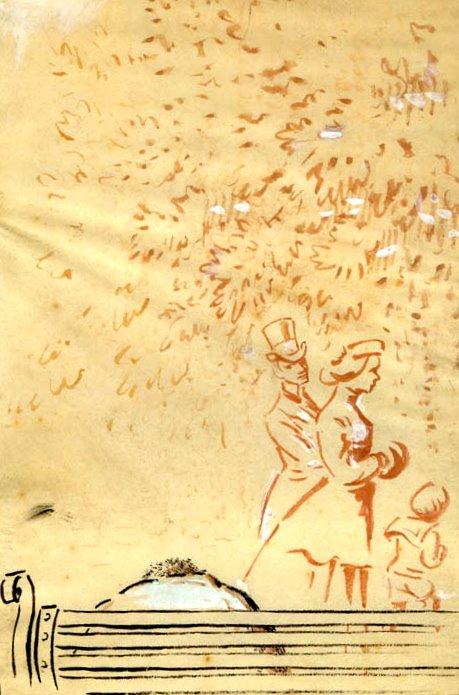
Or, again, in a cunningly contrived drawing of Hyde slumped on a park bench in which the full grotesqueness of his brutish depravity still remains hidden from us but is noted by the upright Victorian gentleman who gives a disturbed backward glance as he passes by with his wife and child…


And so, when Mervyn Peake finally reveals Hyde to us in his bestial form - the simian features, the crab-clawed hand clutching the fateful, upraised phial - the effect is all the more terrible for our having waited for the revelation…


[All images: © The Mervyn Peake Estate]

Saturday, 7 October 2006

PEAKE DISTRICT

It was Lewis Carroll who introduced me to Mervyn Peake: my fascination with the Alice books prompted me to start collecting illustrated editions and one of the earliest ones I stumbled across was illustrated by Peake.

Unlike almost every other artist who had ventured into Wonderland and Looking-glass World, Peake succeeded in throwing off the shackles of John Tenniel and produced pictorial visions for Alice’s adventures that matched the bizarre, often disturbing, text which they accompanied… Who else but Peake would have thought of giving the Carpenter a wood-grained face and, literally, finely chisled features?

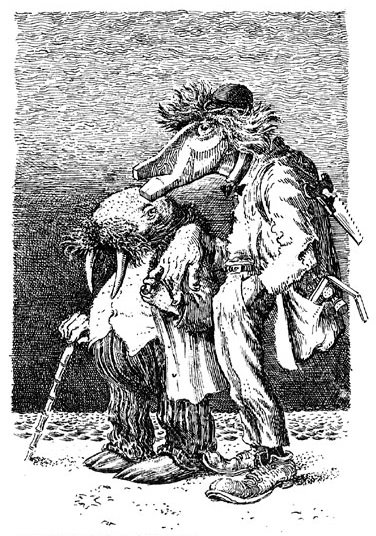
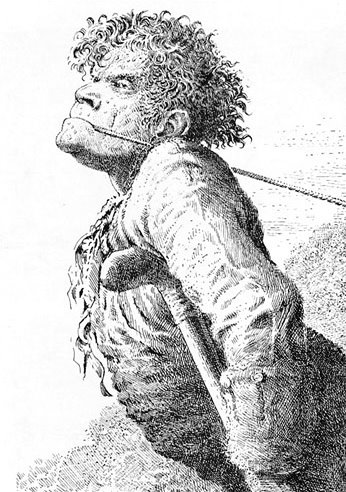
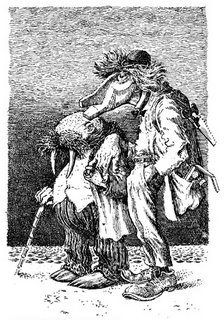
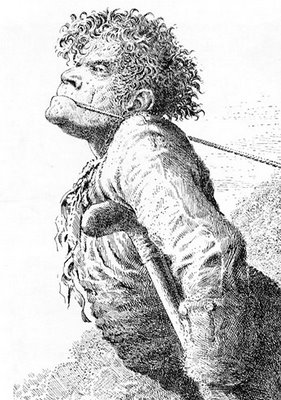
Peake’s Alice led me to his illustrated editions of Grimm’s Household Tales and those sea-faring sagas, The Hunting of the Snark, The Ancient Mariner and Treasure Island (below).

My delight in these drawings prompted me - with the impetuosity of youth - to write to the artist’s widow, Maeve Gilmore; and, to my great delight, I was immediately invited to tea at the then Peake home at number 1 Drayton Gardens.

After tea, Maeve took me into Peake’s workroom, pulled open a drawer and allowed me to browse through folder after folder of her husband's original illustrations.
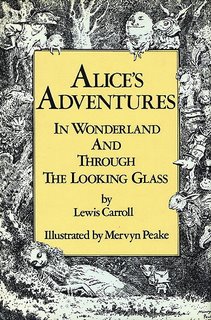
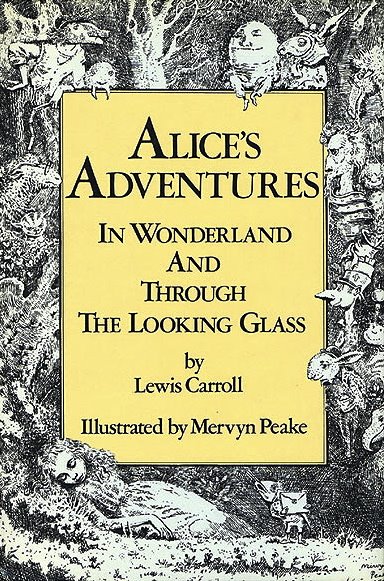
It was while we were looking through the illustrations for Alice that I discovered that several the illustrations, as first published in Stockholm in 1946, differed from those in the 1956 British edition of the book with which I was familiar. Being at the time, Secretary of the Lewis Carroll Society (and editor of its newsletter, Bandersnatch) this was a fascinating discovery that I was eager to write up. Maeve, sensing my enthusiasm suggested to Peake’s publishers that I be invited to edit what was the first definitive edition (right) of the Carroll-Peake Alice.

This assignment led to more afternoon teas and a deepening friendship with Maeve who - over the Earl Grey - coerced me into joining the Mervyn Peake Society (of which I would eventually become first Secretary and then Chairman) as well as encouraging me to discover Peake the writer as well as the artist.

I went away and read The Rhyme of the Flying Bomb, Shapes and Sounds and Mr Pye and, inevitably, turned my footsteps in the direction of that mournful mountain of masonry - Gormenghast.

Nothing I had ever read prepared me for that world of ruination and ritual; a realm of endless corridors burrowing through a sprawling edifice of broken, ivy-eaten stone; a cloistered universe inhabited by characters hopeless in their complacency, lost in their self-absorption or burning with the fire of ruthless ambition.

When I became Chairman of the Society of Authors’ Broadcasting Committee and had regularly to attend meetings at their offices at 94 Drayton Gardens, I saw Maeve more frequently: having lunch with her in the basement kitchen that she had entirely decorated (down to the Potterton boiler) with murals or enjoying generously measured gins-and-tonic in the back-parlour - or, as she called it, the petite salon.

It was Maeve who encouraged me to offer the BBC a radio dramatisation of Titus Groan and Gormenghast and whilst she didn’t live to hear the Sony Award-winning production with Sting as Steerpike and a star-studded cast, she listened intently as I read her the scripts in the petite salon, and - after refreshing my G&T - offered insights and suggestions and generally guided me through the labyrinthine task.

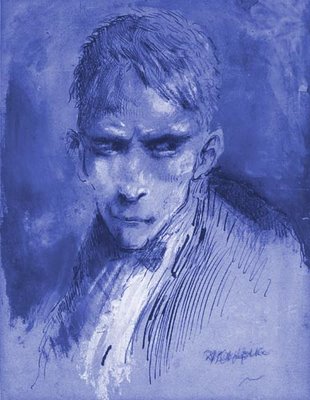
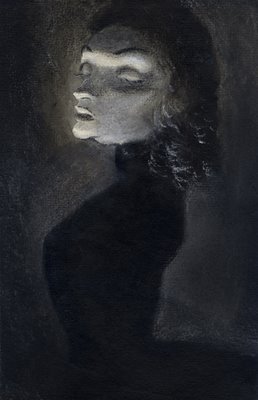
We often talked about how to get more of Mervyn Peake’s work back into print and looked many times through those folders of drawings and paintings filled with so many dazzling examples of her late husband’s stunning draughtsmanship - such as his then unpublished illustrations to Charles Dickens’ Bleak House with such brillaint pieces as the portrait of the icy and imperious Lady Deadlock, illuminated like a player in a Toulouse Lautrec theatre…

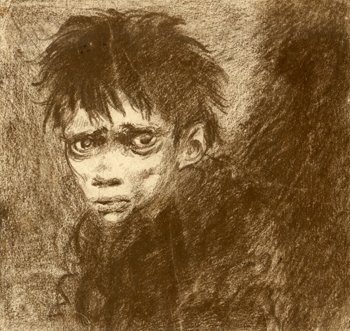
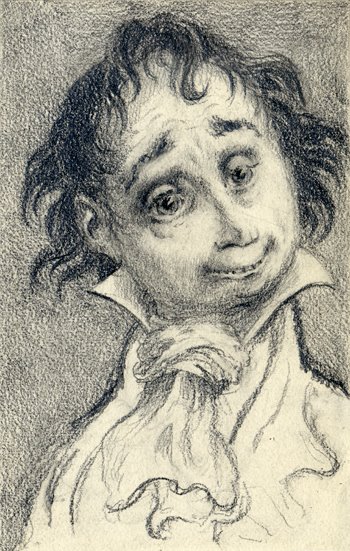
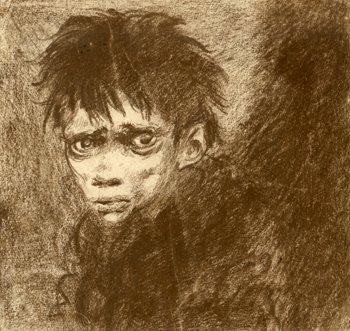
…and the haunting picture of poor, downtrodden Jo the crossing-sweeper with his fear-filled eyes and poverty-pinched features…
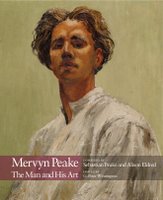
Maeve would have been thrilled that so many of those drawings and illustrations are now collected in a 200 page book, Mervyn Peake: The Man and His Art, compiled by her eldest son, Sebastian Peake, with Alison Eldred and G Peter Winnington, and published this week by Peter Owen.

It is a volume stashed with examples of Peake’s multi-faceted talent: his daringly eclectic range of styles, his fearsome command of every media from the pencil-box and ink-bottle to the paint palette and his seemingly inexhaustible capacity for perceptive characterisations that capture the comically absurd, the darkly macabre, and the sensually seductive…
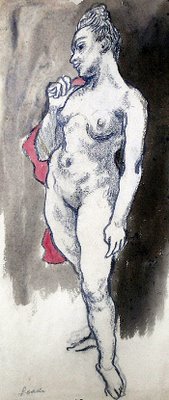

The book was launched on Tuesday at Chris Beetles Gallery in London, where a selling exhibition of Peake’s work is currently on show.

The price-list is not reading matter for the faint-hearted or lily-livered, but even if you can’t afford to buy, it costs nothing to look and to marvel at the skills of a unique craftsman whose reputation is deservedly being rediscovered and rightfully celebrated…
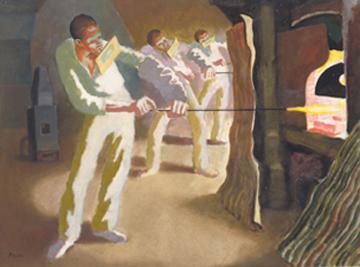

However - as is normal in the world of fine art - it is depressing to contemplate the vagaries of fame: remembering that Peake was an artist who, again and again throughout his life, was strapped for cash but who, if he were but alive today, might expect a healthy cheque from Mr Beetles at the end of the show…

It also occurred to me - as I looked around at the champagne-drinking chatterers attending the Private View - that, had he been there, Peake would have had his notebook out and been sketching madly…
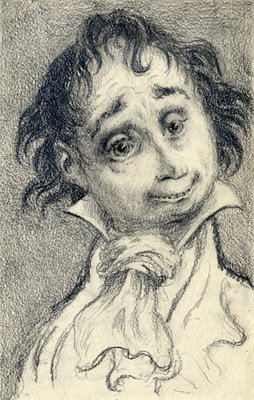

And then I realised that he had already sketched a good few of the attendees and they were there for all to see --- framed and hung!

The room was papered with Peake’s people but it was also thronging with them too, milling around, unwittingly scrutinising their twins and wondering at their beauty, shuddering at their monstrousness, laughing at their ludicrousness…
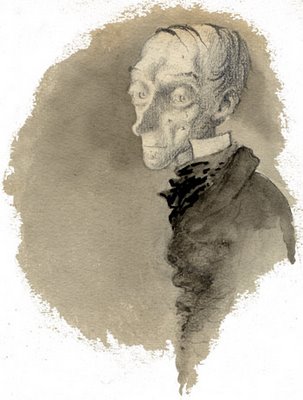

The likenesses in line had their counterpoints everywhere: that man with the lantern jaw; this one with the parrot-beak nose; the tall woman with no chin and gimlet eyes; the dwarf with the beetling brows and tombstone teeth, the walking cadaver with the hooded eyes...

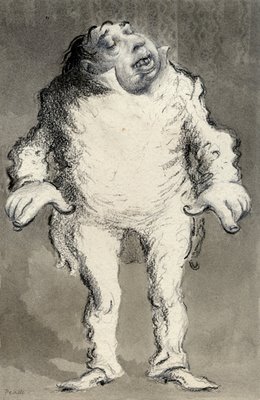
Was I fantasising? Perhaps, I thought, but then, suddenly I noticed - just beyond Jeffrey Archer - the portrait of Mr Chadband from Bleak House being intently scrutinised by none other than Mr Chadband himself!

The exhibition remains on show at Chris Beetles Gallery until 28 October; and mervynpeake.org has more information about the man, his art and his writings.
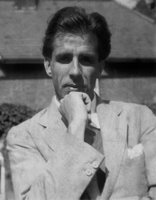

[All images: © The Mervyn Peake Estate]

Sunday, 1 October 2006

MAPPING THE IMAGINATION

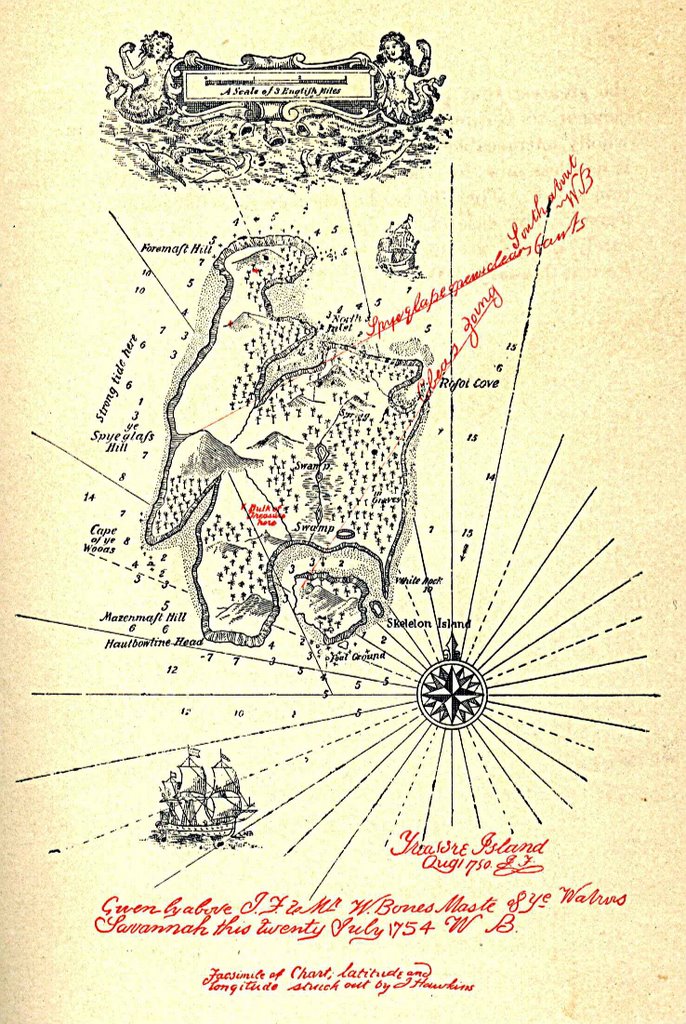
Yesterday's mention of the map of Ambridge, the fictional English village in the BBC radio soap, The Archers, reminded me how much I love maps - and especially maps of imaginary places. After all, whether you are trying to find Brookfield Farm or Treasure Island, a map always comes in handy

There is, of course, something fascinating about every map - perhaps it is the romance of place-names, or the mystery of symbols; maybe its the opportunity to take a bird’s-eye view of some corner of the world, near or far; or, perhaps, the sense of possessing a solution to the puzzle of where things are: the confidence of knowing ‘You Are Here’ or ‘How to Get There’ - or, as a famous map-lover, Mr Bilbo Baggins, would have said: "There and Back Again”.

All maps are a record of a very specific moment in time: the end product of centuries of history, geology and language and every map plots the limits of the mapmaker’s knowledge. That is why, on the earliest maps, those parts as yet unexplored were left blank or marked with such alarming cautions as "Here there be dragons"!

Pretty much ever since men have been making maps of the world around them, they have also been mapping the worlds of the imagination: from Eden to Erewhon, from Hell to Utopia, from Never Land and Oz to Narnia and Discworld, from the dinosaur-infested Lost World to the rabbit-inhabited Watership Down. No place, in fact, is too fantastical for the imaginative cartographer and the moment a map is drawn up - it becomes more tangible, more believable…

My earliest and fondest memory of a fantasy map is the enchanting view of the '100 Aker Wood', allegedly drawn by Christopher Robin (but in truth by E H Shepard) and used as a decoration on the end-papers of A A Milne's Winnie-the-Pooh.

Shepard's depiction takes the form of many fictional maps in being a pictorial as opposed to symbolic representation and includes illustrative depictions of geographical features such as, in this case, Eeyore's Gloomy Place (rather Boggy and Sad, the Pooh Trap for Heffalumps and Where the Woozle Wasn't...


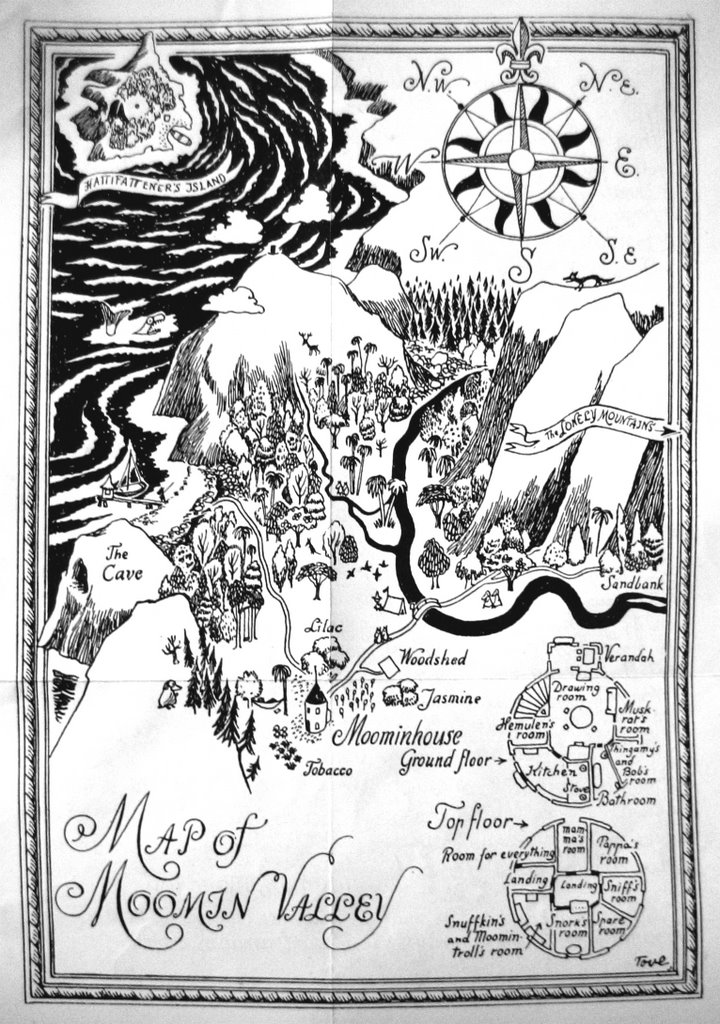
The next fanciful map of which I became aware was the one of Moomin Valley drawn by Tove Jansson for her Finn Family Moomintroll, and which - like a proper map! - folded-out of the book! I was especially intrigued by the fact that it incorporated a detailed plan of the Moomin's fantastical circular house that stands in its garden of lilac, jasmine and tobacco plants.

It also shows the off-shore island populated by the strange and rather scary Hattifatteners that - along with all the other mysterious features of Jansson's remarkable series of books - made the Moomin's world so beguiling, simply because it might not be altogether safe!


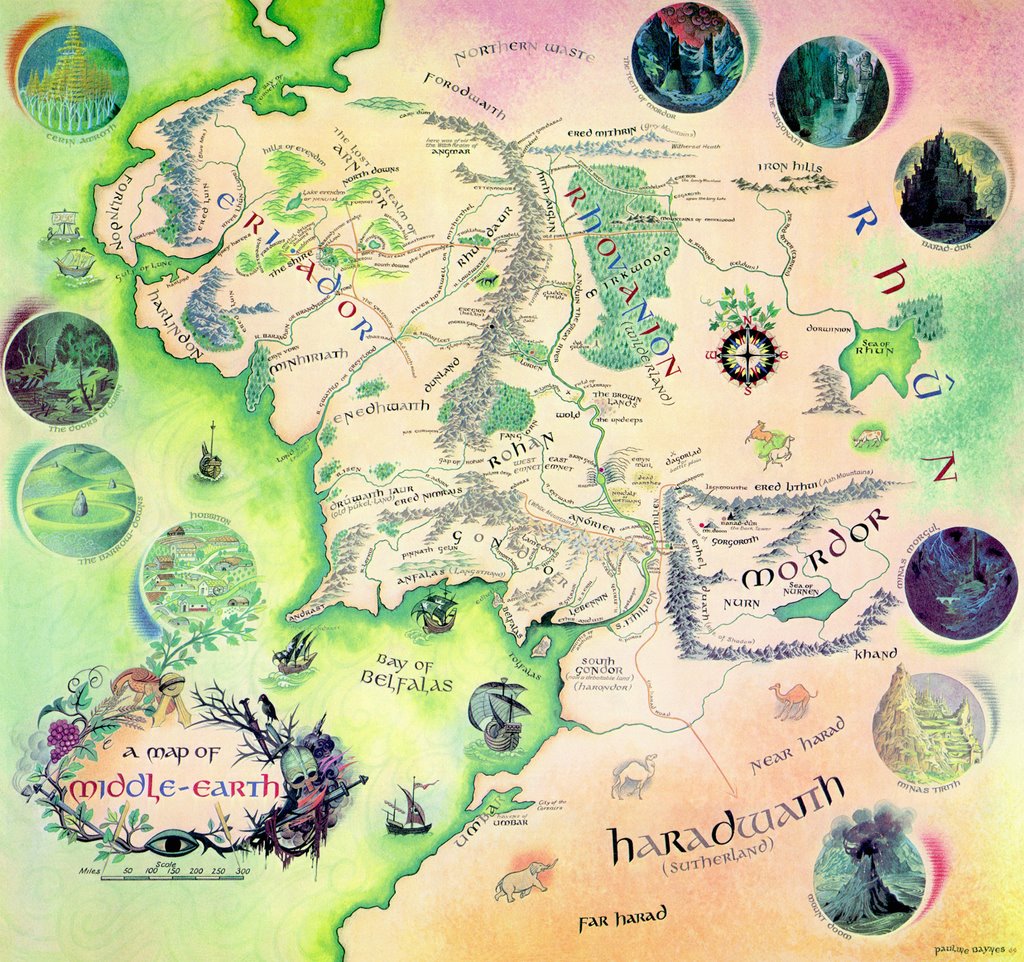
As a young man - having fallen under the spell of J R R Tolkien's The Lord of the Rings - I bought a copy of Pauline Baynes' wonderful poster map of Middle-earth and hung it on my wall where it remained - getting increasingly tattered and pin-holed - for many years and eventually served as a constant reference source when I came to dramatise Tolkien's epic for BBC radio.


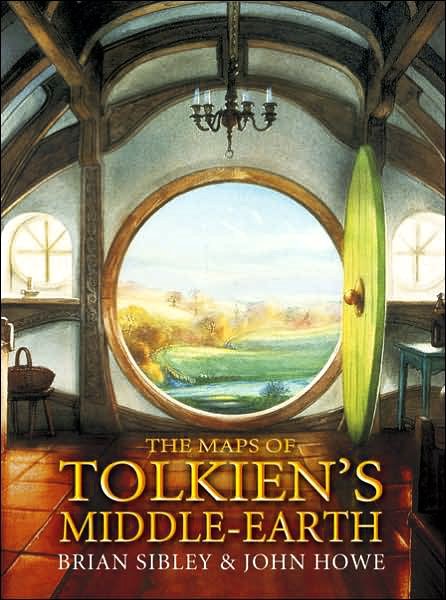
Many years later, I collaborated with another Tolkien artist, John Howe, to create three book-maps based on the Professor's own cartography of Middle-earth for The Hobbit and The Lord of the Rings and Christopher Tolkien's map of Beleriand, the realm described in The Silmarillion.


These individual maps (got up in the fold-out form of O S Maps) were later made into a book-and-map collection, slip-cased together with a fourth map of the lost island of NĂºmenor, the fate of which is also chronicled in The Silmarillion. Mainly because it gave me the opportunity to be associated with Tolkien's fastidious map-making techniques and John's great artwork, The Maps of Tolkien's Middle-earth is a book to which I'm proud to have contributed...

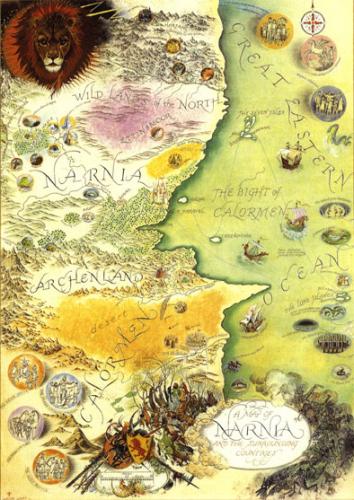
Other favourite maps that caught my youthful imagination were those, drawn again by the wondrously skilful Pauline Baynes, for C S Lewis' The Chronicles of Narnia - and her colour representation of the Land of Narnia ranks in my affections, alongside her visualisation of Middle-earth, for its vivid beauty and immaculate detail...


For many years now, Miss Baynes has been a personal friend and I unashamedly admit to being enslaved by her genius, but even if were not friends, I would still say that it is to the shame of Tolkien and Lewis' publishers, HarperCollins, that these two masterpieces of map-work are no longer in print and available to excite young minds in the way that they did for me and, I'm sure, very many others...

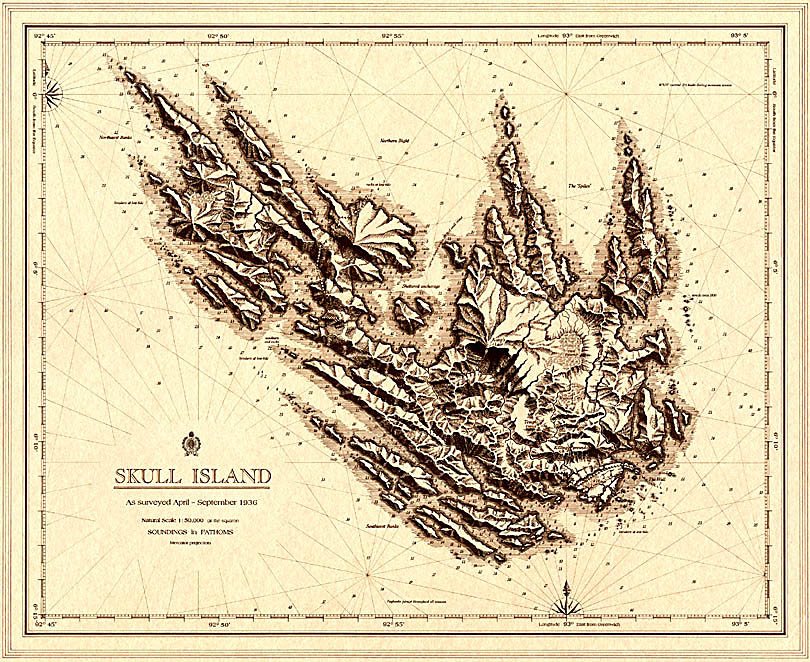
Still on the subject of Narnia and Middle-earth, frequent visitors to those lands may enjoy navigating a course over to the web-site of Daniel Reeve, another of my map-making friends. Daniel was responsible for creating the maps (as well as many books, manuscripts and artefacts) for the Peter Jackson movie trilogy of The Lord of the Rings and subsequently worked on the film, The Chronicles of Narnia: The Lion, the Witch and the Wardrobe as well as mapping Skull Island (in the shape of the skeletal foot of an ape?) for Jackson's King Kong.


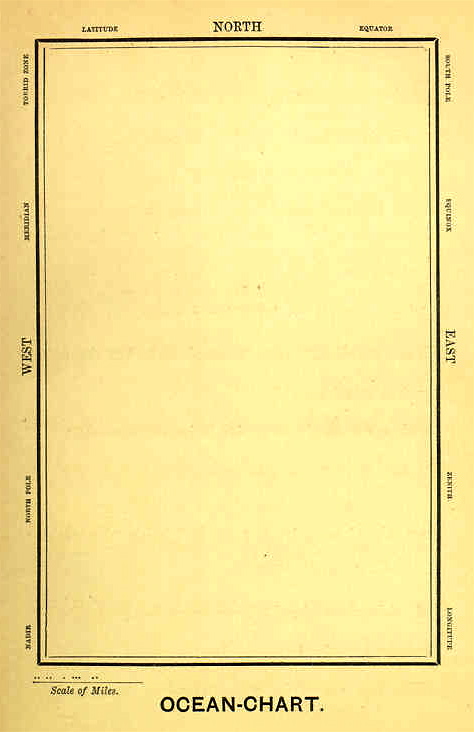
In conclusion, if any or all of these maps seem too demanding for Sunday morning contemplation, then I can offer a simpler example - the chart employed by the Bellman in Lewis Carroll's The Hunting of the Snark:
He had bought a large map representing the sea,
Without the least vestige of land:
And the crew were much pleased when they found it to be
A map they could all understand.

"What's the good of Mercator's North Poles and Equators,
Tropics, Zones, and Meridian Lines?"
So the Bellman would cry: and the crew would reply
"They are merely conventional signs!

"Other maps are such shapes, with their islands and capes!
But we've got our brave Captain to thank:"
(So the crew would protest) "that he's bought us the best --
A perfect and absolute blank!